Loading preview…

Lancing Device
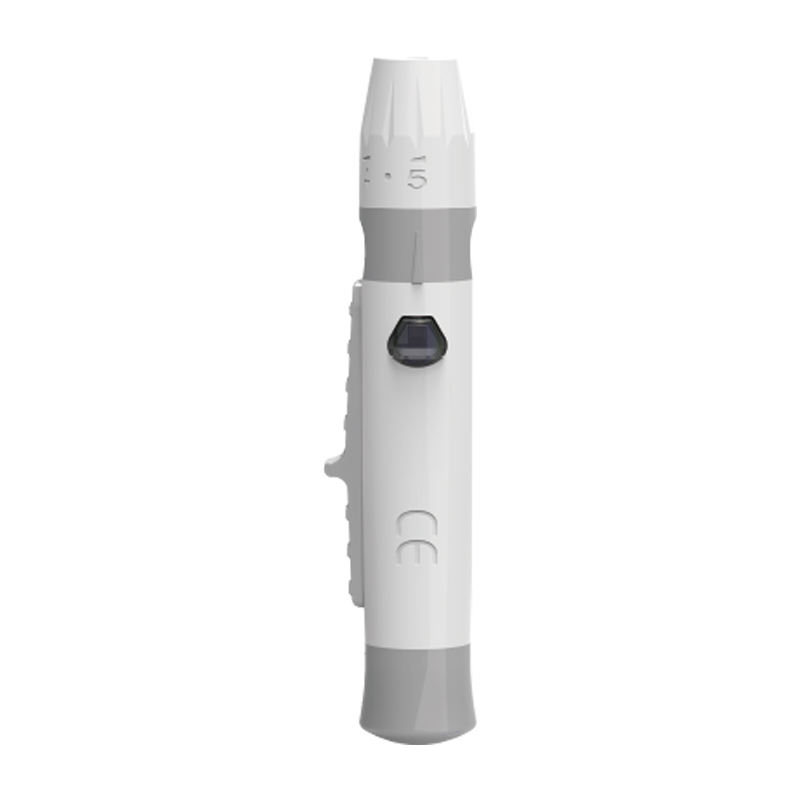
Stable Control
- Compact design, comfortable to hold and easy to grip.
- Non-slip surface ensures a secure and steady operation.
Adjustable Depth
- 10 penetration depths allow accurate blood volume control for different skin.
Highly Hygienic
- Minimizing the risk of needle contamination.
- Built-in ejector enables safe disposal of used lancets.
Common Compatibility
- Universally compatible with most standard lancets.
Lancing device assist the lancets for peripheral blood sampling from the fingertip or the paw for blood glucose testing or other testing utilising a small amount of blood. It is a non-invasive device and does not come into contact with blood. It only makes a brief contact with the skin surface for a few seconds. The lancing device is non-sterile
Specifications
| Ref No. | Description | Specification | Length | Chosen part |
|---|---|---|---|---|
| 03-13091 | LDE | 10 depth levels | 91±1mm | AST |
| 03-13103 | LDC | 5 depth levels | 103±1mm | AST |
| 03-13127 | LDA | 5 depth levels | 127±1mm | AST |
| 03-13096 | LDF | 10 depth levels | 96±1mm | AST |
FAQs
What are the benefits of using a lancing device with blood lancets?
When used with a blood lancet, a lancing device provides controlled puncture depth, improved stability, and more consistent blood sampling, helping to reduce discomfort and enhance accuracy.
Are there different types of lancing devices available?
Lancing devices are available with or without an automatic lancet ejector, allowing users to choose between manual removal or hands-free ejection for safer and more hygienic disposal. Also the punture depth vary with the device models.
How is the puncture depth adjusted?
The puncture depth is adjusted by rotating the depth dial at the top of the device. Specific depth settings and corresponding penetration depths are detailed in the user manual.