Loading preview…

Heel Blade Safety Lancets
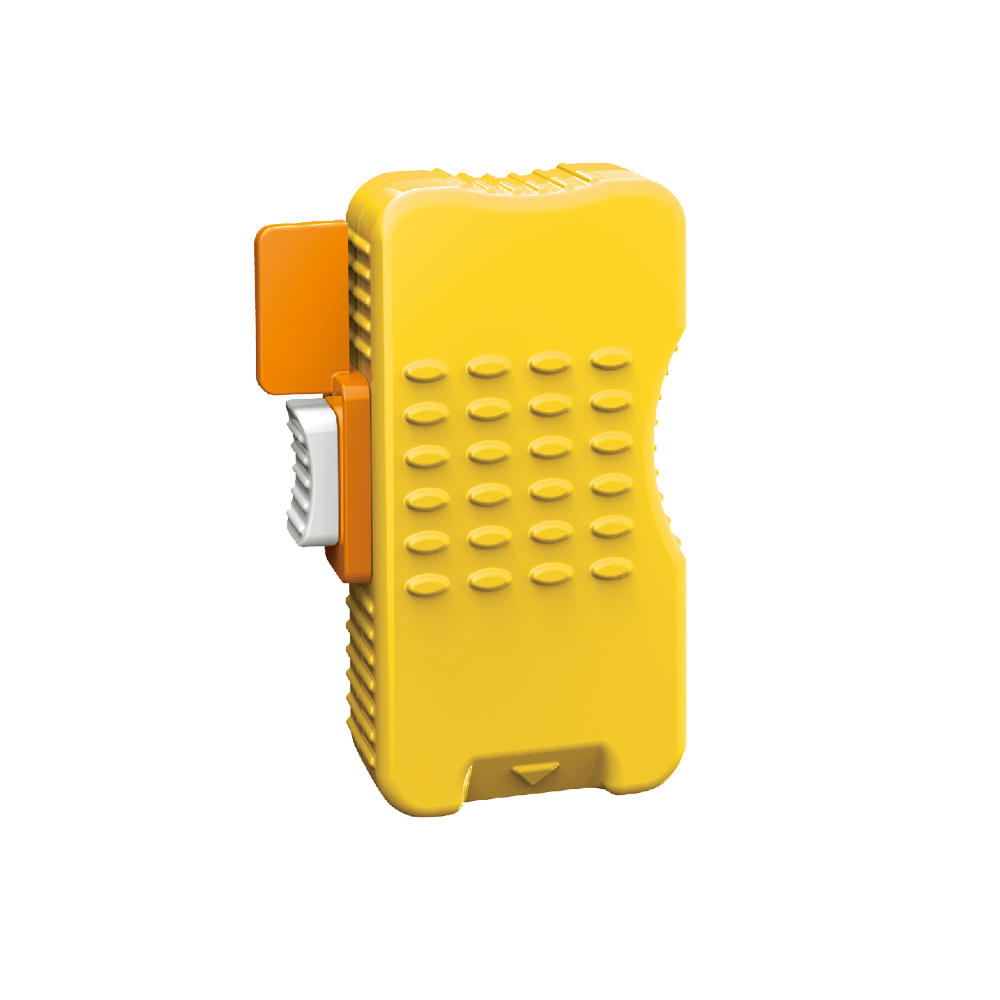
Minimal Discomfort for Baby
- One-time prick minimizes pain and discomfort.
- "Sweeping blade" minimizes tissue trauma compared to needle structure.
- Multiple depth and width options adapt to various newborn conditions.
Precise Positioning
- Center-of-cut indicator ensures accurate alignment for effective sampling.
- Ergonomic anti-slip grip helps reduce chance of unwanted bruising.
Safe Protection
- Sterile, individually packaged, non-porous material.
- Easy-to-remove trigger safety tab prevents premature activation.
- Patented single-use, auto-disabling system eliminates sharps injury risk.
The heel blade safety lancets is intended for use by healthcare professionals to perform heel sticks in newborns,and preemies for the purpose of obtaining capillary blood specimens. This device is designed to facilitate the collection of small blood
samples, utilizing minimal amounts of blood, to enable various diagnostic and screening tests.
samples, utilizing minimal amounts of blood, to enable various diagnostic and screening tests.
| Ref No. | Colour | Specification | Patient population | Puncture depth(mm) | Puncture width(mm) |
|---|---|---|---|---|---|
| 07-156540 | 0.65×1.40 | Micro Preemie | 0.65 | 1.40 | |
| 07-158575 | 0.85×1.75 | Preemie | 0.85 | 1.75 | |
| 07-151025 | 1.00×2.50 | Newborn | 1.00 | 2.50 | |
| 07-154075 | 1.40×2.75 | Toddler | 1.40 | 2.75 |
FAQs
How does the heel lancet minimize pain and tissue damage?
It uses a controlled blade-type incision that reduces pain, bruising, and tissue damage compared to puncture-based devices.
What is the difference between a heel lancet and a common safety lancet?
Heel lancets are specifically designed for newborns and infants, using a blade-type sweeping incision to collect blood with less tissue trauma, while standard safety lancets use a needle puncture and are intended for general blood sampling.
How are different heel lancet sizes selected for infants of different ages?
There are four types Heel Blade Lancets available in different incision depths and widths to accommodate newborns of different gestational ages and weights. For the specific correspondence, please refer to the product catalog, which classifies infants at different stages according to international standards.