

Los métodos de recogida de muestras de sangre suelen agruparse en tres vías principales: extracción de sangre venosa, extracción de sangre capilar y extracción de sangre arterial. La extracción venosa aporta sangre suficiente para la mayoría de los análisis rutinarios de laboratorio. La extracción capilar obtiene una muestra más pequeña mediante una punción o incisión cutánea. La extracción arterial, también llamada muestreo de sangre arterial, se utiliza principalmente para evaluar la oxigenación, la ventilación y el equilibrio ácido-base.
La vía adecuada depende del análisis solicitado, el volumen necesario, la matriz de la muestra, el estado del paciente y el entorno de extracción. El método de laboratorio también debe ser adecuado para ese tipo de muestra. La comodidad por sí sola no es una base segura para cambiar la vía de extracción.
Respuesta rápida: la extracción venosa, capilar y arterial son las tres vías principales de toma de muestras de sangre. Los hemocultivos, las gotas de sangre seca y las extracciones a través de catéter son flujos de trabajo o formatos de muestra importantes, pero no constituyen fuentes de sangre adicionales del mismo nivel de clasificación.
Contenido
- Métodos de extracción de sangre de un vistazo
- ¿Qué es la recogida de muestras de sangre?
- ¿Cómo se elige un método de extracción?
- Extracción de sangre venosa
- Extracción de sangre capilar
- Extracción de sangre arterial
- Sangre venosa, capilar o arterial
- Por qué importan los microtubos de recogida
- Matrices de muestra
- Principios para una extracción fiable
- Preguntas frecuentes
- Soluciones LINKFAR para la extracción capilar
- Solicitar presupuesto
Métodos de extracción de sangre de un vistazo
| Método de extracción | Procedencia de la muestra | Volumen habitual | Usos frecuentes | Limitación principal |
|---|---|---|---|---|
| Extracción de sangre venosa | Una vena, normalmente del brazo | De moderado a grande | Hematología rutinaria, bioquímica clínica, inmunología, coagulación, monitorización terapéutica de fármacos y muchos otros análisis de laboratorio | Requiere acceso venoso y, por lo general, personal formado |
| Extracción de sangre capilar | Una punción o incisión cutánea, normalmente en la yema del dedo o el talón, o en un sitio alternativo autorizado | De pequeño a microvolumen | Pruebas en el punto de atención, control de glucosa, determinados análisis de laboratorio, muestras pediátricas, cribado neonatal y recogida descentralizada validada | No todos los analitos o métodos son intercambiables con las pruebas venosas |
| Extracción de sangre arterial | Una arteria, habitualmente la arteria radial | Pequeño y específico para cada uso | Gases en sangre, oxigenación, ventilación y evaluación ácido-base | Más invasiva; requiere extracción y manipulación especializadas |
¿Qué es la recogida de muestras de sangre?
La recogida de muestras de sangre es el proceso de obtener sangre para análisis de laboratorio, pruebas en el punto de atención, cribado, diagnóstico, seguimiento del tratamiento o investigación. Forma parte de la fase preanalítica, que abarca todo lo que ocurre antes de medir la muestra.
Los errores de extracción pueden afectar al resultado aunque el análisis se realice correctamente. Por ejemplo: obtener una muestra equivocada, usar un tubo inadecuado, llenar el tubo de forma insuficiente, contaminar o hemolizar la muestra, o no cumplir los requisitos de conservación o transporte. La guía de flebotomía de la Organización Mundial de la Salud describe cómo la práctica de extracción influye tanto en la seguridad del paciente como en la calidad de la muestra.
Las muestras de sangre respaldan muchas tareas clínicas, entre ellas:
- diagnosticar o descartar enfermedades;
- controlar enfermedades crónicas y la respuesta al tratamiento;
- medir células sanguíneas, electrolitos, enzimas, hormonas y anticuerpos;
- comprobar el estado de la coagulación;
- detectar infecciones del torrente sanguíneo;
- evaluar la oxigenación y el equilibrio ácido-base;
- realizar cribados en recién nacidos y otras poblaciones definidas;
- apoyar ensayos clínicos y programas de salud a distancia.
¿Cómo se elige un método de extracción de sangre?
Primero va el requisito del análisis. Después, la elección del dispositivo.
Un laboratorio o un equipo clínico suele plantearse estas preguntas:
- ¿Qué analito o qué afección clínica se evalúa?
- ¿El análisis requiere sangre venosa, capilar o arterial?
- ¿Se necesita sangre total, plasma, suero o una muestra seca?
- ¿Cuánta sangre se necesita para el análisis y para posibles repeticiones?
- ¿El tubo de recogida requiere anticoagulante, activador de la coagulación, conservante o separador?
- ¿Son relevantes la hora de extracción, el ayuno, la postura, la oxigenoterapia o el horario de la medicación?
- ¿Qué hay que tener en cuenta sobre la edad, el peso, la circulación y el acceso vascular del paciente?
- ¿Se analizará la muestra de inmediato, se transportará localmente o se enviará a un laboratorio remoto?
- ¿Se ha validado todo el flujo de extracción y análisis para ese tipo de muestra?
La secuencia de decisión es:
Requisito del análisis → requisito de la muestra → vía de extracción → dispositivo y recipiente → manipulación y transporte
Este orden importa. Un dispositivo de extracción no puede convertir en adecuado para un análisis un tipo de muestra que no lo es.
1. Extracción de sangre venosa
La extracción de sangre venosa, o venopunción, utiliza una aguja para acceder a una vena y recoger la sangre en uno o varios tubos. Es la vía estándar para la mayoría de los análisis rutinarios de laboratorio, porque puede proporcionar varios mililitros de sangre para múltiples análisis, repeticiones o distintas matrices de muestra.
Usos frecuentes de la sangre venosa
Las muestras venosas se utilizan ampliamente para:
- hemogramas completos y otros análisis hematológicos;
- perfiles bioquímicos rutinarios;
- pruebas hepáticas, renales, lipídicas y metabólicas;
- inmunología y serología;
- análisis hormonales;
- estudios de coagulación;
- monitorización terapéutica de fármacos;
- pruebas moleculares;
- hemocultivos y otras pruebas especializadas.
Sistemas habituales de extracción venosa
La sangre venosa puede extraerse con:
- un sistema de tubos de vacío con aguja recta y portatubos;
- un equipo de extracción con alas, a menudo llamado palomilla;
- una jeringa y un dispositivo de transferencia de sangre adecuado cuando esté clínicamente indicado;
- un dispositivo de acceso vascular ya colocado, cuando lo permita un procedimiento institucional aprobado.
La aguja, el tubo, el aditivo y el volumen de llenado necesario deben ser adecuados para el análisis previsto. El color del tapón por sí solo no confirma la idoneidad, ya que las convenciones de color y las formulaciones pueden variar según el fabricante y el mercado.
Ventajas y limitaciones
La extracción venosa permite una amplia gama de análisis y puede aportar sangre suficiente para varios tubos. Los laboratorios disponen además de métodos e intervalos de referencia establecidos para muchas muestras venosas, como sangre total, plasma y suero.
Suele requerir personal formado y puede resultar difícil en pacientes con mal acceso venoso. Los pacientes pueden sentir ansiedad o presentar hematomas o reacciones vasovagales. Las agujas usadas también suponen un riesgo de exposición si no se aplican prácticas seguras ni dispositivos de protección.
Cuando cuesta encontrar una vena
Una vena visible no es automáticamente adecuada para la venopunción. La elección del sitio también depende de la dirección, el tamaño, la profundidad y la estabilidad del vaso, de la anatomía circundante y del estado de la piel. La palpación sigue siendo importante, porque ayuda a valorar características que una imagen de superficie no puede mostrar del todo.
La visualización venosa por infrarrojo cercano puede facilitar la localización de vasos subcutáneos superficiales, sobre todo cuando la valoración visual habitual es difícil. Es un complemento de la valoración clínica, no una confirmación de que el vaso mostrado sea seguro o adecuado para la punción. El resumen de la FDA de un localizador venoso autorizado indica que el dispositivo complementa la visualización directa y no sustituye los métodos convencionales utilizados por profesionales cualificados. Un producto que indique la profundidad estimada de la vena también necesita evidencia específica sobre su rango de medición, su exactitud y su uso previsto.
La guía de flebotomía de la OMS y la norma vigente CLSI PRE02 ofrecen orientación más amplia sobre la elección del sitio venoso y la práctica de extracción. Las afirmaciones específicas de cualquier sistema de visualización venosa deben contrastarse con sus instrucciones de uso y su documentación técnica.
2. Extracción de sangre capilar
La extracción de sangre capilar, llamada en algunos mercados punción cutánea o extracción de sangre periférica, utiliza una punción o incisión controlada para obtener una pequeña muestra de los vasos superficiales.
La muestra no procede de un único capilar aislado. Contiene una mezcla indeterminada de sangre de arteriolas, vénulas y capilares, con posibles aportes de líquido intersticial e intracelular. Esta definición figura en la vigente guía china WS/T 848-2025 para la recogida de muestras de sangre capilar. Por ello, la técnica influye directamente en la calidad de la muestra.
La extracción capilar es útil cuando solo se necesita un volumen pequeño, el acceso venoso es difícil, el análisis se realiza cerca del paciente o un programa de recogida descentralizada ha validado todo el flujo de trabajo.
Usos frecuentes de la sangre capilar
Según el dispositivo y el método de análisis validado, las muestras capilares pueden utilizarse para:
- control de la glucosa en sangre;
- determinadas pruebas en el punto de atención;
- hemoglobina y determinadas mediciones hematológicas;
- análisis de HbA1c;
- cribado neonatal;
- análisis en gotas de sangre seca;
- determinados análisis de bioquímica clínica e inmunoensayos;
- muestras pediátricas y de acceso difícil;
- estudios a distancia y programas de diagnóstico descentralizados.
Las muestras capilares y venosas no son automáticamente intercambiables. El sitio de extracción, la matriz, la contaminación por líquido tisular, la hemólisis y la fisiología del analito pueden influir en los resultados. La norma WS/T 225-2024 señala también que el suero capilar y el venoso solo son intercambiables para algunos parámetros de bioquímica clínica.
Un estudio de 2025 informó de resultados equivalentes para determinados analitos utilizando ensayos miniaturizados específicos y nuevos métodos de extracción capilar. Estos hallazgos se aplican a los sistemas y analitos evaluados en ese estudio. No demuestran la intercambiabilidad para todos los dispositivos capilares, ensayos o flujos de laboratorio. Consulte el estudio publicado en The Journal of Applied Laboratory Medicine.
Tres enfoques importantes de extracción de sangre capilar
La punción en el dedo, la extracción asistida en la parte superior del brazo y la punción del talón neonatal representan tres vías importantes, convencionales y emergentes. No son una clasificación oficial exhaustiva ni universal de todos los sitios o dispositivos capilares posibles.
A. Extracción capilar por punción en el dedo
La punción en el dedo es el método de muestreo capilar más conocido en adultos y niños mayores. Una lanceta estéril realiza una punción controlada en una zona adecuada del dedo. Después, la sangre puede:
- aplicarse directamente a una tira reactiva o a un cartucho de pruebas en el punto de atención;
- recogerse en un tubo capilar o de transferencia;
- recogerse en un microtubo de recogida;
- aplicarse a un dispositivo autorizado para muestras secas.
La punción en el dedo se asocia estrechamente al control de la glucosa, pero puede servir para otros análisis cuando el volumen necesario, el procedimiento de extracción y el sistema analítico están validados para sangre capilar.
Lancetas para la punción en el dedo
Una lanceta de seguridad de un solo uso tiene un mecanismo integrado que protege la punta e impide su reutilización tras la activación. Para el control asistido de la glucosa, los Centros para el Control y la Prevención de Enfermedades (CDC) de EE. UU. recomiendan dispositivos de punción en el dedo de un solo uso y autodesactivables, que se desechen en un contenedor para objetos punzantes autorizado en el lugar de uso.
Las lancetas de seguridad pueden diferenciarse por:
- activación por contacto, por presión, con botón superior o con botón lateral;
- aguja o cuchilla;
- profundidad de penetración fija o regulable;
- volumen de muestra previsto;
- usuario previsto, profesional o no profesional.
El calibre y la profundidad de penetración importan, pero por sí solos no determinan el volumen de sangre ni las molestias. También influyen el diseño del dispositivo, el sitio de punción, las características de la piel y la técnica de extracción.
Para ver ejemplos disponibles en el mercado, consulte la categoría de lancetas de seguridad de LINKFAR. Entre los productos se encuentran las Safety Lancets – PA, con opciones de aguja o cuchilla; las Safety Lancets – PA2, con variantes de calibre y profundidad fijos; las Safety Lancets – APA, con profundidad de penetración regulable, y las Safety Lancets – TPA, con activación en un solo paso.

Las lancetas de seguridad de un solo uso deben distinguirse de un flujo de trabajo con punzador reutilizable. Las lancetas de LINKFAR están pensadas para usarse con punzadores compatibles, mientras que el punzador regulable de precisión permite la extracción de sangre capilar con lancetas desechables para sangre periférica. Las instrucciones del producto determinan la compatibilidad, la limpieza, el usuario previsto y si el dispositivo es adecuado para uso profesional o personal.
B. Extracción capilar en la parte superior del brazo asistida por vacío
La extracción capilar en la parte superior del brazo es una opción emergente para determinados flujos de trabajo descentralizados, remotos, de investigación o de laboratorio. También se denomina extracción capilar asistida por vacío, extracción de sangre sobre el cuerpo o micromuestreo capilar en el brazo.
Según el producto, un dispositivo adherido a la piel utiliza una lanceta, una cuchilla o una estructura de microagujas para crear una abertura cutánea controlada. Después, el vacío ayuda a que la sangre fluya hacia un microtubo integrado o compatible.
Estos sistemas están diseñados para recoger un microvolumen líquido lejos de la yema del dedo y transferirlo a un recipiente para su manipulación o transporte. Su idoneidad sigue dependiendo del dispositivo, la matriz de la muestra, el analito, las condiciones de transporte y el método analítico.
El resumen 510(k) de la FDA para Tasso+, por ejemplo, describe un dispositivo de un solo uso destinado a obtener muestras de sangre total capilar del orden de microlitros. Su mecanismo realiza una incisión y aplica un ligero vacío para facilitar el flujo hacia un tubo de recogida. Es un ejemplo de esta categoría, no una prueba de rendimiento universal para todos los dispositivos de brazo o todos los análisis.
El sitio de extracción y la asistencia por vacío no convierten la muestra en sangre venosa. Un dispositivo de brazo descrito para extracción capilar sigue produciendo una muestra capilar. El tubo receptor, el aditivo, el llenado mínimo, el procedimiento de mezcla y el sistema analítico deben ser adecuados para esa muestra y ese volumen.
C. Extracción de sangre por punción del talón neonatal
La punción del talón es un método de muestreo capilar especializado para recién nacidos, prematuros y lactantes pequeños, cuando está clínicamente indicado. Un dispositivo elegido según la edad, el peso, la profundidad del tejido y el volumen necesario realiza una punción o incisión controlada en una zona autorizada del talón.
Aplicaciones habituales:
- cribado neonatal;
- tarjetas de gotas de sangre seca;
- determinados análisis de glucosa, bilirrubina, gases en sangre o hematología;
- otros análisis de bajo volumen indicados por el equipo clínico y el laboratorio.
Los dispositivos neonatales para el talón pueden usar una punción con aguja o una incisión controlada con cuchilla. No son simplemente versiones más grandes de las lancetas de dedo para adultos. La profundidad, la anchura, el movimiento y la ubicación de la incisión deben ajustarse a la anatomía neonatal y a la muestra necesaria.
La categoría de lancetas de seguridad de cuchilla para talón neonatal de LINKFAR incluye las Heel Blade Safety Lancets, destinadas a la extracción capilar por punción del talón en recién nacidos y prematuros. El tamaño del dispositivo y la técnica deben elegirse siempre en función del bebé, la muestra necesaria y las instrucciones de uso aplicables.

La guía de la OMS sobre muestreo capilar indica la superficie plantar medial o lateral como zona general de punción del talón y advierte contra los sitios inadecuados y una profundidad excesiva. La elección exacta del dispositivo y la técnica deben seguir el procedimiento vigente del centro y las instrucciones de uso del fabricante.
Punción en el dedo, extracción en el brazo o punción del talón neonatal
| Enfoque capilar | Población o entorno habitual | Tecnología de extracción | Manipulación habitual de la muestra | Salvedad importante |
|---|---|---|---|---|
| Punción en el dedo | Adultos, niños mayores, pruebas en el punto de atención y determinados autoanálisis | Lanceta de aguja o de cuchilla, a menudo una lanceta de seguridad de un solo uso en el ámbito profesional | Aplicación directa en la prueba, tubo capilar o microtubo de recogida | La prueba y el dispositivo deben ser adecuados para sangre capilar y para el usuario previsto |
| Extracción asistida en el brazo | Determinados flujos de trabajo descentralizados, remotos, de investigación o de laboratorio | Dispositivo adherido al cuerpo con una pequeña incisión o microagujas y asistencia por vacío | Normalmente un microvolumen líquido recogido en un tubo compatible | El rendimiento depende del dispositivo, la matriz y el analito |
| Punción del talón neonatal | Recién nacidos, prematuros y lactantes pequeños | Dispositivo especializado de punción o incisión del talón | Microtubo de recogida, tubo capilar o tarjeta de gotas de sangre seca | Requiere una elección adecuada a la edad, el peso, el sitio y la profundidad, y una técnica entrenada |
En aplicaciones validadas concretas pueden utilizarse sitios de extracción capilar menos habituales. El lóbulo de la oreja, por ejemplo, se ha utilizado en algunos entornos de cribado o investigación. No debe presentarse como una alternativa rutinaria sin un procedimiento definido y un sistema de análisis validado.
3. Extracción de sangre arterial
La extracción de sangre arterial, también llamada muestreo de sangre arterial, obtiene sangre directamente de una arteria, casi siempre la radial. Su finalidad principal es evaluar el intercambio de gases y el equilibrio ácido-base.
Usos frecuentes de la sangre arterial
Las muestras arteriales pueden utilizarse para:
- la presión parcial arterial de oxígeno;
- la presión parcial arterial de dióxido de carbono;
- el pH sanguíneo y la evaluación relacionada con el bicarbonato;
- la evaluación de la insuficiencia respiratoria;
- la evaluación de la oxigenoterapia o del soporte ventilatorio;
- determinadas mediciones de cuidados intensivos, como lactato y electrolitos cuando se indique.
La muestra suele recogerse en una jeringa heparinizada para gasometría diseñada para ese fin. La exposición al aire, los retrasos, el equilibrio del anticoagulante y las condiciones de transporte pueden afectar notablemente al resultado, por lo que la manipulación debe ser rápida y controlada. MedlinePlus describe la arteria radial como el sitio más habitual para la gasometría, aunque señala que pueden usarse otras arterias.
La extracción arterial no debe sustituir a la venosa solo porque el acceso venoso sea difícil. Las muestras tienen características fisiológicas distintas y sirven a fines diagnósticos diferentes.
Sangre venosa, capilar o arterial: ¿qué método conviene en cada caso?
| Pregunta | Sangre venosa | Sangre capilar | Sangre arterial |
|---|---|---|---|
| Más adecuada para | Una amplia gama de análisis rutinarios de laboratorio | Análisis de microvolumen, en el punto de atención, pediátricos y descentralizados validados | Gases en sangre y evaluación ácido-base |
| Volumen disponible | De moderado a grande | De pequeño a microvolumen | Pequeño y específico para cada uso |
| Sitio de extracción habitual | Vena del brazo | Dedo, talón neonatal u otro sitio autorizado, como la parte superior del brazo | Normalmente la arteria radial |
| Quién suele extraer | Profesional sanitario formado | Profesional sanitario; autoextracción solo cuando el dispositivo y el análisis lo permitan | Profesional sanitario con formación específica |
| Matrices de muestra habituales | Sangre total, plasma o suero | Sangre total, plasma o suero capilar tras un procesamiento validado, o una muestra seca | Sangre total heparinizada para gasometría |
| ¿Puede sustituir a los otros métodos? | No de forma universal | No de forma universal | No como sustitución rutinaria |
Principio de elección: el método adecuado es el que proporciona una muestra apta para el análisis solicitado y protege al paciente, a quien realiza la extracción y la calidad de la muestra. Ningún método es universalmente el mejor.
Por qué importan los microtubos de recogida en los análisis de bajo volumen
Un microtubo de recogida es un recipiente de pequeño volumen. Por sí solo, no indica de dónde procede la sangre. Esta distinción es importante porque a menudo se resumen cuatro cuestiones distintas en la expresión «microextracción de sangre»:
| Cuestión del flujo de trabajo | Qué hay que definir |
|---|---|
| Origen de la sangre | Venosa, capilar o arterial |
| Matriz de la muestra | Sangre total, plasma, suero o muestra seca |
| Recipiente | Volumen del tubo, aditivo, cierre, llenado mínimo y requisitos de mezcla |
| Vía de análisis | Prueba en el punto de atención, análisis en el laboratorio local o transporte a un laboratorio remoto |
Muchos microtubos de recogida están diseñados para sangre obtenida directamente por punción en el dedo, en el talón o en otro sitio capilar autorizado. En otros flujos validados, puede colocarse una pequeña muestra venosa o una alícuota autorizada en un recipiente de bajo volumen. El origen permitido y el método de transferencia deben estar definidos por las instrucciones del tubo, el sistema analítico y el procedimiento del laboratorio. Transferir sangre entre recipientes puede alterar la proporción de aditivo, dañar las células o introducir contaminación si el flujo de trabajo no se diseñó para ello.
La reducción del volumen de muestra que exigen algunas pruebas en el punto de atención y algunos análisis de laboratorio miniaturizados hace más relevante la microextracción. Un flujo de bajo volumen validado puede reducir la cantidad de sangre extraída y ofrecer una alternativa al tubo de vacío estándar para un análisis definido. Eso no significa que un microtubo pueda sustituir a un tubo venoso de vacío para cualquier analizador, analito o paciente.
La extracción remota y domiciliaria añade otro requisito: la muestra debe seguir siendo apta hasta llegar al lugar de análisis. El sistema completo debe tener en cuenta la técnica de extracción, el aditivo del tubo, el volumen de llenado, el cierre, las fugas, la estabilidad, el tiempo y la temperatura, el embalaje, el transporte y el procesamiento a la llegada. Un recipiente capaz de contener y enviar una pequeña muestra de sangre no es automáticamente compatible con el análisis previsto.
La norma CLSI GP42 abarca los dispositivos de extracción capilar y los microtubos de recogida. Aun así, la decisión práctica depende de las instrucciones del producto aplicables y de la validación de todo el flujo, desde la extracción hasta el resultado.
Sangre total, plasma, suero y sangre seca no son lo mismo
La vía de extracción y la matriz de la muestra son decisiones independientes.
Sangre total
La sangre total conserva las células sanguíneas y los componentes líquidos. Suele requerirse para hematología, HbA1c y determinadas pruebas en el punto de atención. Puede ser necesario un anticoagulante adecuado.
Plasma
El plasma es la parte líquida que se obtiene al centrifugar sangre anticoagulada. El análisis previsto determina el anticoagulante y la proporción necesaria de sangre y aditivo.
Suero
El suero se obtiene dejando coagular la sangre y centrifugando después la muestra. Se diferencia del plasma por sus componentes de la coagulación y se utiliza ampliamente en bioquímica, inmunología y serología.
Gotas de sangre seca
Una gota de sangre seca es un formato de muestra, no una cuarta fuente anatómica de sangre. La sangre, obtenida a menudo por punción en el dedo o en el talón, se aplica a una tarjeta o dispositivo autorizado y se seca en condiciones definidas. Su idoneidad depende del ensayo, la calidad de la gota, el secado, la conservación y los requisitos de transporte.
¿Dónde encajan los hemocultivos y las extracciones por catéter?
Algunos términos de búsqueda habituales describen un flujo de trabajo especial más que una fuente de sangre distinta.
Extracción para hemocultivo
La extracción para hemocultivo está pensada para detectar bacterias u hongos en el torrente sanguíneo. Por lo general es un procedimiento de extracción venosa especializado, con requisitos estrictos de antisepsia cutánea, elección de frascos, volumen extraído, momento de la extracción y control de la contaminación.
Extracción a través de dispositivos de acceso vascular
En ocasiones puede extraerse sangre de un catéter venoso o arterial ya colocado. Se trata de una vía de acceso dentro de la extracción venosa o arterial, no de una nueva categoría de muestra. Los procedimientos del centro deben tener en cuenta la sangre del espacio muerto, las perfusiones, la contaminación y los riesgos propios de cada vía.
Cómo influye el método de extracción en los resultados
Las muestras venosas, capilares y arteriales reflejan condiciones fisiológicas distintas y se obtienen mediante procesos diferentes. Los resultados pueden verse afectados por:
- el origen de la sangre y el sitio de extracción;
- la matriz de la muestra;
- la postura del paciente, el ayuno, el ejercicio y la hora de extracción;
- la oxigenoterapia o el horario de la medicación;
- la duración del torniquete;
- la contaminación por líquido tisular;
- la presión excesiva sobre el dedo o el talón;
- la hemólisis, la coagulación o el llenado insuficiente;
- el contacto con el aire;
- un aditivo incorrecto o una proporción errónea de sangre y aditivo;
- el tiempo y la temperatura de transporte;
- la separación tardía de las células del suero o del plasma.
No debe suponerse que un intervalo de referencia o una interpretación clínica establecidos para un tipo de muestra se aplican cuando se utiliza otro tipo de muestra.
Principios básicos para una extracción fiable de muestras de sangre
Sea cual sea la vía de extracción, un proceso fiable debe incluir:
- la identificación correcta del paciente;
- la confirmación de la preparación del paciente específica del análisis;
- la elección de la vía y el sitio de extracción correctos;
- el uso de un objeto punzante estéril, compatible y de un solo uso, cuando proceda;
- la elección del tubo, el aditivo y el volumen de llenado correctos;
- la prevención de la contaminación, la hemólisis y la coagulación;
- el etiquetado inmediato y preciso de la muestra;
- el orden de extracción, el momento, la conservación y el transporte correctos;
- la eliminación segura de los objetos punzantes usados en el lugar de uso;
- el cumplimiento de las instrucciones del dispositivo, los requisitos del laboratorio y el procedimiento clínico local.
La norma CLSI GP42 ofrece procedimientos detallados sobre sitios de extracción capilar, profundidad de punción y dispositivos de extracción desechables. Aun así, los requisitos locales y las instrucciones del dispositivo aplicables rigen el procedimiento real.
Preguntas frecuentes
¿Cuáles son los tres métodos principales de recogida de muestras de sangre?
Las tres vías principales son la extracción de sangre venosa, la extracción de sangre capilar y la extracción de sangre arterial. La extracción arterial también se denomina muestreo de sangre arterial. Las tres vías aportan volúmenes e información fisiológica diferentes, por lo que no son intercambiables de forma universal.
¿Cuál es el método de extracción de sangre más habitual?
La extracción venosa es la vía más utilizada para los análisis rutinarios de laboratorio, porque puede aportar sangre suficiente para muchos análisis y tipos de muestra.
¿Cuándo se utiliza la extracción de sangre capilar?
La extracción capilar se utiliza cuando solo se necesita un volumen pequeño, en muchas aplicaciones en el punto de atención, para determinados análisis pediátricos y neonatales, y en flujos descentralizados o remotos validados.
¿Cuáles son los principales enfoques de extracción capilar?
Entre los enfoques importantes están la punción en el dedo, la punción del talón neonatal y la extracción más reciente asistida en el brazo o sobre el cuerpo. Estos términos describen sitios y tecnologías diferentes, no una clasificación oficial universal.
¿La extracción de sangre en el brazo asistida por vacío es capilar o venosa?
El dispositivo Tasso+, autorizado por la FDA, está destinado a recoger en la parte superior del brazo muestras de sangre total capilar del orden de microlitros. Los demás dispositivos deben evaluarse según su propio uso previsto y sus instrucciones.
¿Un microtubo de recogida se usa solo para sangre capilar?
No necesariamente. «Microtubo de recogida» describe el recipiente y su función para volúmenes pequeños, no una fuente anatómica de sangre. Muchos están pensados para la extracción capilar, mientras que algunos flujos validados pueden usar una pequeña muestra venosa o una alícuota autorizada. Siga las instrucciones del tubo y el procedimiento del laboratorio.
¿Puede un microtubo sustituir a un tubo de vacío estándar?
Solo en un flujo de trabajo definido y validado. El origen de la muestra, el aditivo, el volumen de llenado, el analizador, el método de análisis y los requisitos de manipulación deben ser compatibles. Un tubo de bajo volumen no sustituye de forma universal a un tubo venoso de vacío.
¿Se puede enviar a un laboratorio una muestra extraída en el brazo o en casa?
Sí, cuando el sistema de extracción y el flujo de análisis están diseñados y validados para el transporte. Deben especificarse la estabilidad de la muestra, el embalaje, el tiempo, la temperatura, el control de fugas y el procesamiento en el laboratorio. Que la extracción se haga en casa no basta, por sí solo, para que una muestra sea apta para su envío o análisis.
¿La sangre capilar es igual que la venosa?
No. Las muestras capilares se obtienen mediante una punción cutánea y contienen sangre de vasos pequeños, con posibles aportes de líquido tisular. Algunas mediciones pueden ser comparables tras su validación, pero los tipos de muestra no son automáticamente intercambiables para todos los analitos.
¿Es la gota de sangre seca un método de extracción de sangre?
Es más preciso describirla como un formato de muestra y un flujo de recogida. La sangre suele obtenerse por punción en el dedo o en el talón y se aplica después a una tarjeta o dispositivo autorizado.
¿Qué diferencia hay entre una lanceta de seguridad y una lanceta para talón neonatal?
La lanceta de seguridad es una categoría amplia de dispositivos de punción capilar de un solo uso con un mecanismo integrado de protección de la punta. La lanceta para talón neonatal está diseñada específicamente para el muestreo en el talón y puede usar una punción controlada con aguja o una incisión con cuchilla adaptada a la anatomía neonatal y al volumen necesario.
¿Puede usarse el mismo dispositivo para todos los análisis capilares?
No. La elección depende del usuario previsto, el sitio de extracción, el volumen necesario, las características del paciente, el recipiente de la muestra y el flujo analítico validado.
¿Quién decide qué método de extracción se utiliza?
El análisis solicitado, los requisitos del laboratorio, el procedimiento clínico y las instrucciones del dispositivo de extracción determinan el método. Los pacientes y los usuarios sin formación no deben sustituir una vía o un dispositivo por otro sin la orientación profesional adecuada.
Soluciones LINKFAR para la extracción de sangre capilar
La gama de LINKFAR incluye lancetas de seguridad, lancetas de seguridad de cuchilla para talón neonatal, lancetas y punzadores. Estos productos cubren distintas partes del flujo de muestreo capilar, pero el dispositivo correcto depende siempre del usuario previsto, la población de pacientes, la muestra necesaria y el etiquetado del producto aplicable.
- Explore toda la categoría de productos para la extracción de sangre capilar.
- Compare las lancetas de seguridad de LINKFAR.
- Consulte las lancetas de seguridad de cuchilla para talón neonatal.
- Vea las lancetas y punzadores.
La disponibilidad, los usuarios previstos y la situación regulatoria pueden variar según el producto y el mercado. Consulte siempre el etiquetado y las instrucciones de uso del producto correspondiente.
Solicitar presupuesto
Póngase en contacto con LINKFAR para obtener información sobre productos, documentación técnica, consultas de distribución o un presupuesto.
Referencias
- Organización Mundial de la Salud. WHO Guidelines on Drawing Blood: Best Practices in Phlebotomy. 2010.
- Clinical and Laboratory Standards Institute. GP42, Collection of Capillary Blood Specimens, 7th Edition. 2020.
- Comisión Nacional de Salud de la República Popular China. WS/T 225-2024: Collection and Processing of Blood Specimens for Clinical Chemistry. 2024.
- Comisión Nacional de Salud de la República Popular China. WS/T 848-2025: Guidelines for Collection of Capillary Blood Specimen. Publicada en 2025; en vigor en 2026.
- Administración de Alimentos y Medicamentos de EE. UU. (FDA). 510(k) Summary K221131: Tasso+. 2022.
- DiPasquale C, et al. Equivalence between Capillary Blood and Venous Blood Test Results Using Miniaturized Assays and Novel Collection Methods to Support Routine Bloodwork. The Journal of Applied Laboratory Medicine. 2025;10(5):1090-1104.
- Centers for Disease Control and Prevention. Considerations for Blood Glucose Monitoring and Insulin Administration. Consultado el 12 de agosto de 2026.
- MedlinePlus. Blood Gases. Consultado el 12 de agosto de 2026.
- Clinical and Laboratory Standards Institute. PRE02, Collection of Diagnostic Venous Blood Specimens, 8th Edition. 2025.
- Administración de Alimentos y Medicamentos de EE. UU. (FDA). 510(k) Summary K101838: Vein Locator, VTS1000. 2010.
Más información sobre los diseños de extracción capilar
El muestreo capilar abarca distintos sitios de extracción y diseños de dispositivos. Nuestra guía sobre lancetas para talón neonatal e incisiones superficiales explica el mecanismo de corte utilizado en el muestreo del talón del recién nacido. El artículo sobre las lancetas de seguridad de doble muelle PA y PA2 analiza el disparo y la retracción. Para otro sitio de extracción, lea sobre el proyecto de LINKFAR de extracción de sangre en el brazo, en fase clínica.
Guías relacionadas
-
 Lancetas neonatales de talón: ¿por qué una incisión superficial?
En la toma de muestras del talón de un recién nacido, lo difícil no es simplemente hacer que aparezca sangre. Es obtener una muestra…
Lancetas neonatales de talón: ¿por qué una incisión superficial?
En la toma de muestras del talón de un recién nacido, lo difícil no es simplemente hacer que aparezca sangre. Es obtener una muestra…
-
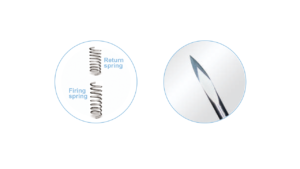 Lancetas de seguridad de doble resorte: por qué PA y PA2 usan dos resortes
El precio unitario de una lanceta de seguridad es fácil de comparar. El movimiento de la aguja en su interior es menos visible, pero…
Lancetas de seguridad de doble resorte: por qué PA y PA2 usan dos resortes
El precio unitario de una lanceta de seguridad es fácil de comparar. El movimiento de la aguja en su interior es menos visible, pero…
-
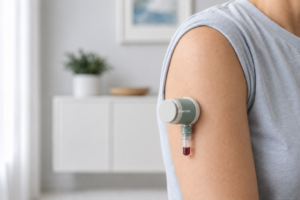 La extracción de sangre del brazo de LINKFAR entra en la fase de desarrollo clínico
Para un paciente que necesita una pequeña muestra de sangre, la cita de extracción puede exigir más esfuerzo que la propia prueba. Los desplazamientos,…
La extracción de sangre del brazo de LINKFAR entra en la fase de desarrollo clínico
Para un paciente que necesita una pequeña muestra de sangre, la cita de extracción puede exigir más esfuerzo que la propia prueba. Los desplazamientos,…
-
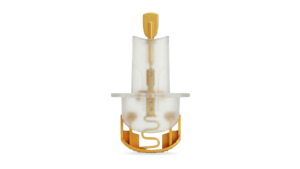 Fabricante de lancetas de seguridad para distribuidores y minoristas: guía de producto Linkfar
Si es distribuidor, importador regional o comprador de compras farmacéuticas y busca lancetas de seguridad desechables para el mercado polaco, esta página está escrita…
Fabricante de lancetas de seguridad para distribuidores y minoristas: guía de producto Linkfar
Si es distribuidor, importador regional o comprador de compras farmacéuticas y busca lancetas de seguridad desechables para el mercado polaco, esta página está escrita…
-
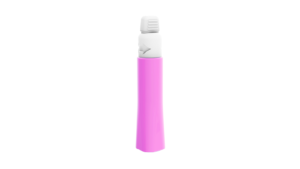 Fabricante de lancetas de seguridad activadas por presión (PA) & proveedor OEM
Compre lancetas de seguridad activadas por presión PA de un fabricante con marcado CE para suministro OEM, marca privada y venta al por mayor.
Fabricante de lancetas de seguridad activadas por presión (PA) & proveedor OEM
Compre lancetas de seguridad activadas por presión PA de un fabricante con marcado CE para suministro OEM, marca privada y venta al por mayor.
-
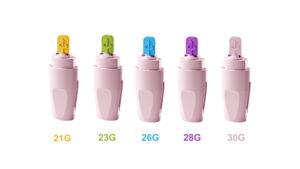 LINKFAR Safety Lancet TPA: guía de lancetas para extracción de sangre para distribuidores europeos
Esta guía de lancetas para extracción de sangre ayuda a distribuidores, revendedores e importadores europeos a comparar las especificaciones, el embalaje, la lógica de…
LINKFAR Safety Lancet TPA: guía de lancetas para extracción de sangre para distribuidores europeos
Esta guía de lancetas para extracción de sangre ayuda a distribuidores, revendedores e importadores europeos a comparar las especificaciones, el embalaje, la lógica de…
-
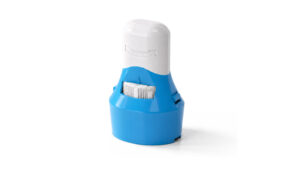 Lanceta para muestreo sanguíneo para distribuidores europeos: lanceta de seguridad LINKFAR NPA
Para distribuidores, revendedores e importadores en Europa, la lanceta para muestreo sanguíneo LINKFAR NPA ofrece múltiples opciones de calibre y profundidad para la planificación…
Lanceta para muestreo sanguíneo para distribuidores europeos: lanceta de seguridad LINKFAR NPA
Para distribuidores, revendedores e importadores en Europa, la lanceta para muestreo sanguíneo LINKFAR NPA ofrece múltiples opciones de calibre y profundidad para la planificación…
-
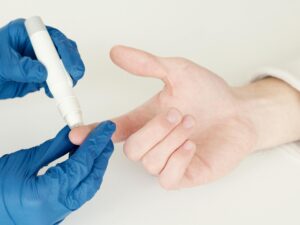 Seguridad con objetos cortopunzantes en entornos clínicos: el papel de las lancetas de seguridad
Introducción: por qué la seguridad con objetos cortopunzantes sigue siendo importante en la atención sanitaria moderna La seguridad con objetos cortopunzantes sigue siendo una…
Seguridad con objetos cortopunzantes en entornos clínicos: el papel de las lancetas de seguridad
Introducción: por qué la seguridad con objetos cortopunzantes sigue siendo importante en la atención sanitaria moderna La seguridad con objetos cortopunzantes sigue siendo una…
-
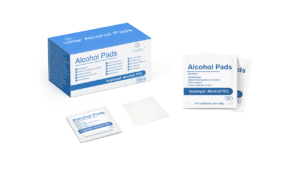 Guía de compra de toallitas con alcohol para distribuidores europeos
Esta guía de toallitas con alcohol ayuda a los distribuidores europeos a comparar los tamaños disponibles, el posicionamiento de uso y los principales puntos…
Guía de compra de toallitas con alcohol para distribuidores europeos
Esta guía de toallitas con alcohol ayuda a los distribuidores europeos a comparar los tamaños disponibles, el posicionamiento de uso y los principales puntos…